Many homeowners invest in outdoor projects expecting a space that feels comfortable and cohesive, yet something often feels off once the work is finished. In most cases, the issue is not materials or workmanship. The problem comes from small outdoor design mistakes made early in the process that are easy to overlook and hard to fix later.
Understanding these common missteps can help homeowners make smarter decisions and create outdoor spaces that feel intentional and easy to use.
Skipping the Planning Stage
One of the most common outdoor design mistakes is starting construction without a clear plan. Focusing on individual features instead of the entire space often leads to disconnected areas that do not work well together.
A well planned design considers how people move through the space, how features relate to one another, and how the property will be used over time. Taking the time to plan creates a stronger foundation for every decision that follows.
Prioritizing Appearance Over Function
Another frequent outdoor design mistake is designing for looks alone. A space may appear polished but fail to support everyday use. Seating can feel awkward, gathering areas may be too small, or walkways may not lead where people naturally want to go.
Good outdoor design starts with how the space will be used. When function leads the design, the result feels natural and comfortable instead of forced.
Ignoring Scale and Proportion
Scale plays a major role in how an outdoor space feels. Features that are too large can overwhelm a yard, while elements that are too small may feel insignificant. This is one of the outdoor design mistakes homeowners often notice only after installation.
Proper proportion helps create balance and ensures each feature feels like it belongs. Getting scale right from the start avoids costly adjustments later.
Overcrowding the Space
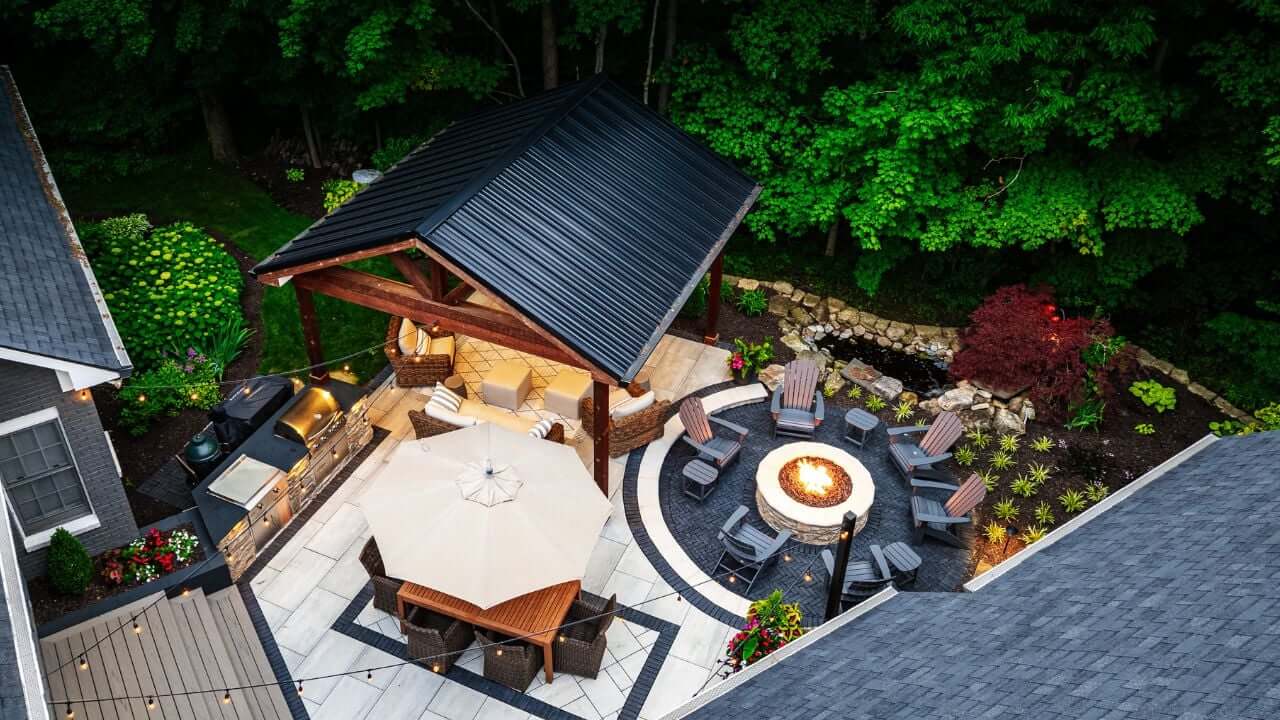
Trying to include too many features is another common outdoor design mistake. Fire features, kitchens, seating areas, and decorative elements can quickly compete for space, making the area feel busy and cramped.
Well designed outdoor spaces allow room to breathe. Fewer features, executed thoughtfully, often create a more enjoyable and flexible environment.
Overlooking Flow and Movement
Flow is often underestimated during the design process. Without clear paths and transitions, movement through the space can feel awkward or restricted. This is one of the outdoor design mistakes that impacts daily use more than appearance.
Thoughtful placement of walkways, steps, and entry points helps the space feel intuitive and easy to navigate.
Choosing Materials Without Thinking Long Term
Material selection is another area where outdoor design mistakes commonly occur. Choosing materials based solely on appearance or upfront cost can lead to maintenance issues and premature wear.
Outdoor spaces are exposed to weather and frequent use. Selecting materials that perform well over time helps protect the investment and maintain a polished look.
Treating Projects as Isolated Upgrades
Many homeowners approach outdoor projects in phases, which is perfectly reasonable. Problems arise when each phase is designed independently. This often results in mismatched materials and inconsistent layouts.
Even if work is completed over time, having a cohesive plan ensures every addition feels connected and intentional.
Why Avoiding Outdoor Design Mistakes Matters
Outdoor design mistakes affect more than just appearance. They influence comfort, usability, and long term satisfaction with the space. A thoughtful design supports the way homeowners live and makes the outdoor area feel like a natural extension of the home.
Avoiding these common outdoor design mistakes comes down to planning, prioritizing function, and thinking beyond the immediate project. The result is an outdoor space that feels balanced, functional, and built to last.