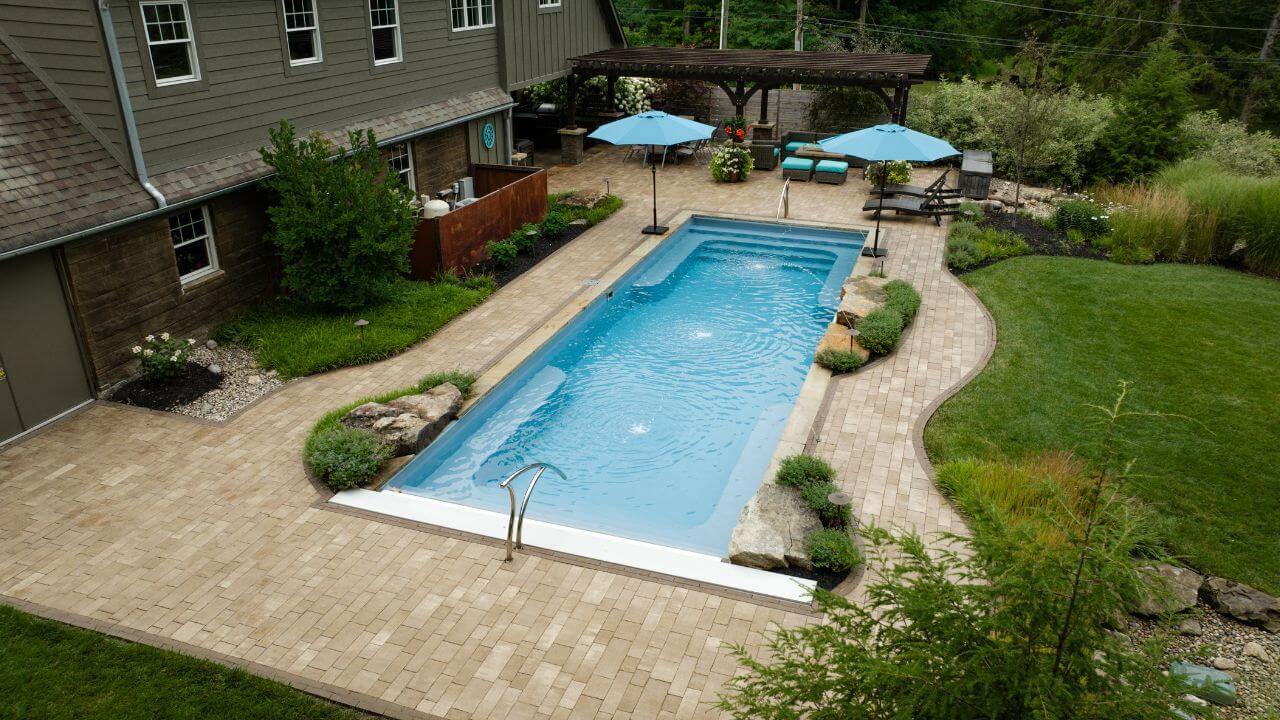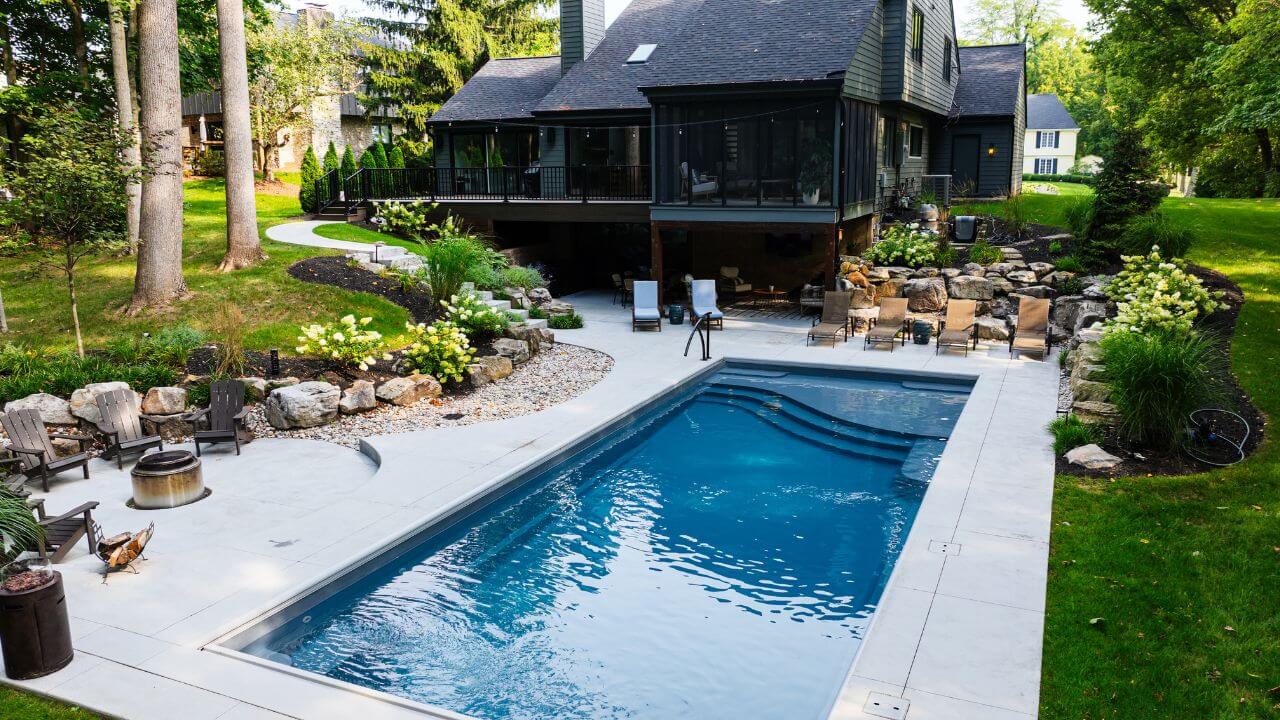
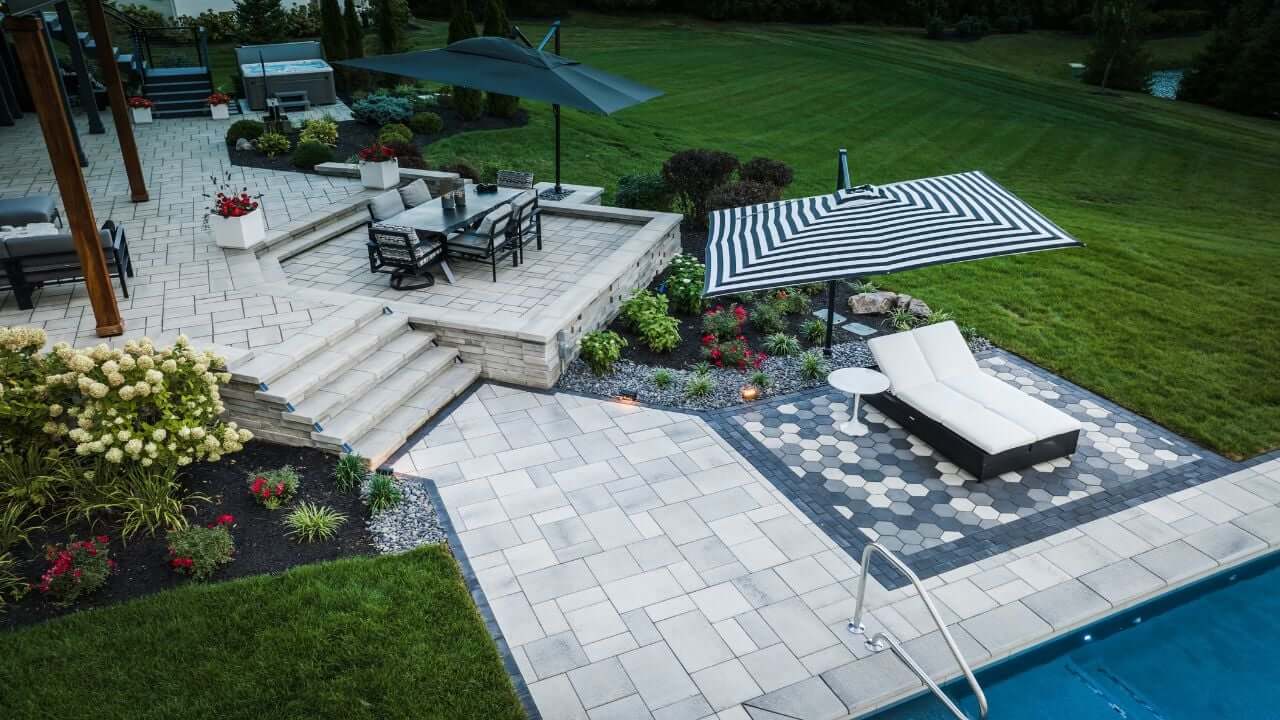
A paver patio can completely change the look and function of your outdoor space. Whether you're creating an area for entertaining guests, enjoying quiet evenings, or extending your living space outdoors, the material you choose matters. The right paver patio material will balance durability, style, and maintenance to fit your lifestyle and home design.
The three most common materials for a paver patio are concrete, clay, and natural stone. Each has its own strengths and drawbacks depending on your goals, budget, and personal preferences. Understanding how they compare can help you make the best choice for your project.
Why Material Matters for Your Paver Patio
Before breaking ground, it’s helpful to understand why your material selection makes such a difference. Your paver patio has to hold up to foot traffic, weather changes, and UV exposure over time. You also want a patio that works with the style of your home and your outdoor layout. Some materials are more cost-effective, while others provide a higher-end look or longer lifespan. Maintenance, installation methods, and long-term performance all vary between materials.
Let’s compare the top three paver patio materials and explore their pros and cons.
Concrete Pavers
Concrete pavers are one of the most popular choices for a reason. They're affordable, widely available, and easy to install. Manufacturers produce them in a wide range of shapes, sizes, colors, and finishes, giving you plenty of design flexibility.
Benefits of Concrete Pavers
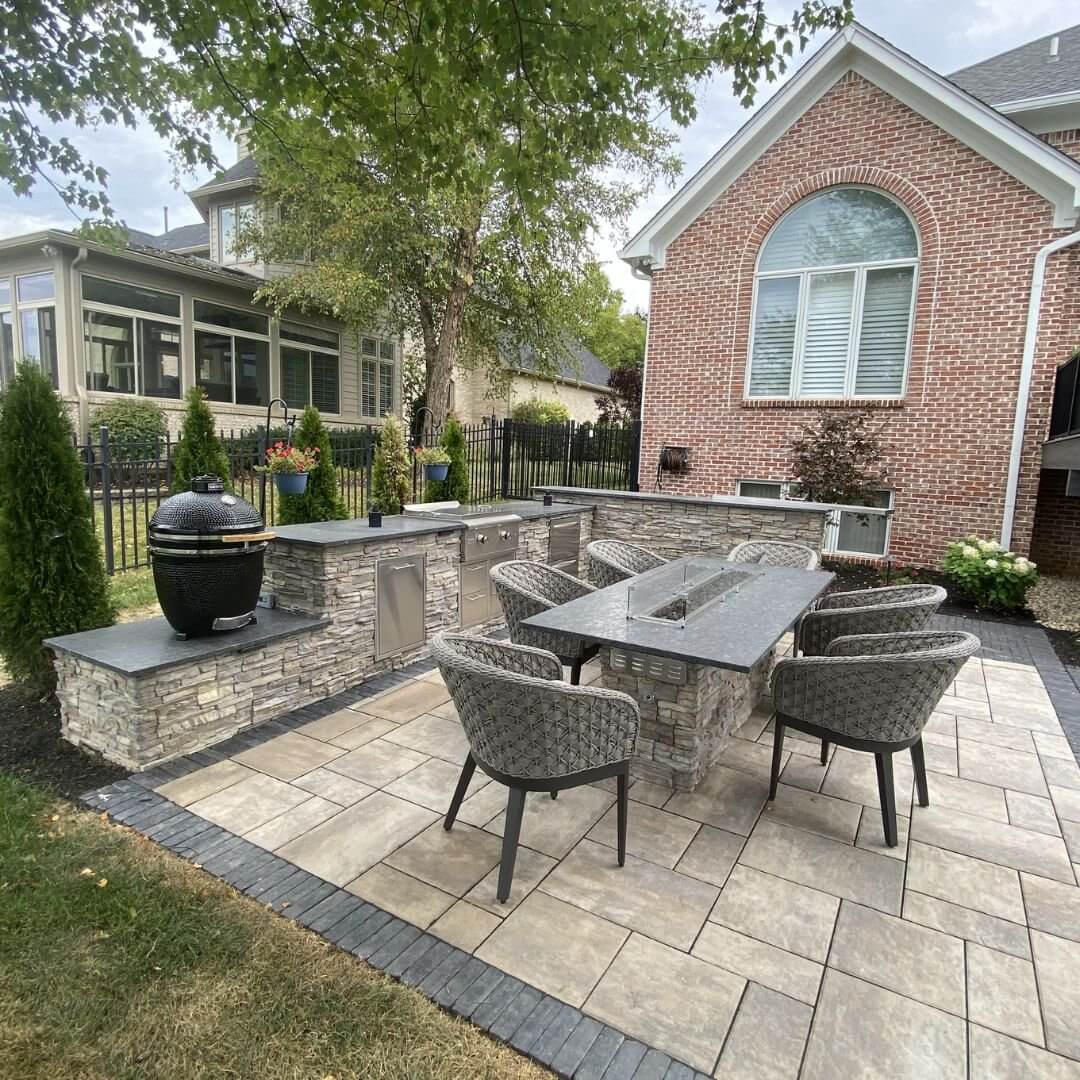
Cost-effective: Compared to clay or natural stone, concrete pavers are usually the most budget-friendly option.
- Design variety: You can find options that mimic clay or stone textures. Many patterns are available to create custom layouts.
- Durability: Concrete pavers can handle freeze-thaw cycles and heavy foot traffic when properly installed.
- Ease of repair: Individual pavers can be replaced if they crack or shift.
Drawbacks of Concrete Pavers
- Color fading: Over time, exposure to sunlight can cause some fading.
- Surface wear: In high-use areas, the surface may begin to wear down more quickly than natural stone or clay.
- More maintenance: Sealing is recommended to reduce staining and color loss.
For homeowners looking to build a stylish and functional paver patio without stretching the budget, concrete is a strong contender.
Clay Pavers
Clay pavers offer a classic, timeless look that works well in both traditional and transitional designs. Made from natural clay and fired in a kiln, clay has been used for centuries and still holds its place as a reliable patio material.
Benefits of Clay Pavers
- Classic style: Clay creates a clean, uniform look with warm, earthy tones that work well with many home exteriors.
- Long lifespan: Properly installed clay pavers can last decades with minimal wear.
- Sustainability: Clay is made from natural materials and can often be reclaimed and reused.
- Slip resistance: The slightly rough texture gives good grip, even when wet.
Drawbacks of Clay Pavers
- Limited color options: Most clay comes in reds, browns, and earth tones.
- Prone to moss and staining: Moisture and shade can cause clay to grow moss or show stains.
- Installation precision: Clay pavers can shift if not installed with care and a solid base.
If you're going for a classic look that blends well with traditional architecture, clay is a solid choice for your paver patio.
Natural Stone Pavers
Natural stone offers a unique, high-end appearance that’s hard to replicate. Each stone is different in color and texture, making your paver patio truly one of a kind. Popular stone types include flagstone, bluestone, limestone, and travertine.
Benefits of Natural Stone
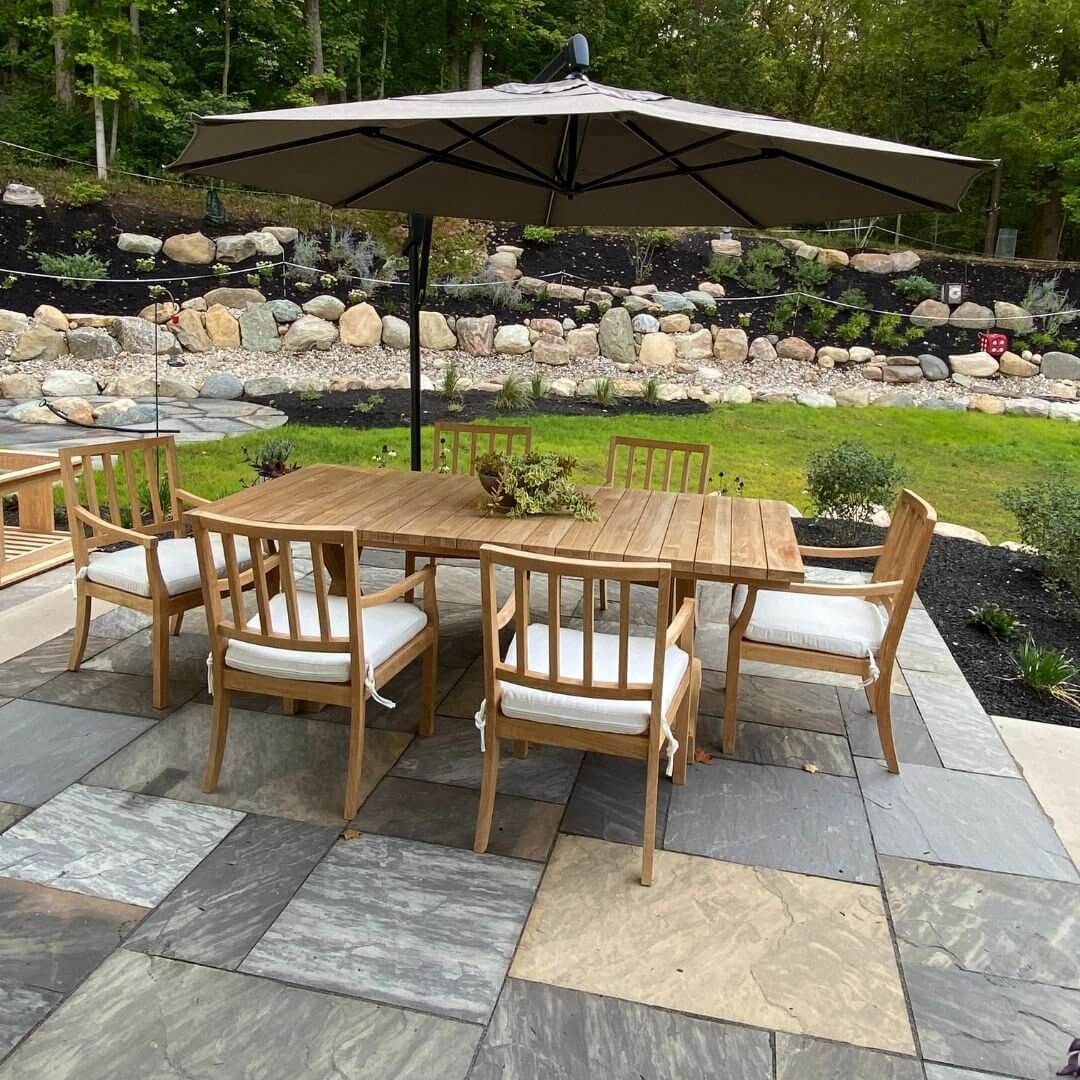
- Unmatched beauty: The organic texture and color variation in natural stone create a distinct look.
- Durability: Many types of stone are extremely hard and weather-resistant.
- Longevity: With proper care, natural stone patios can last for generations.
- Increase in property value: Stone tends to create a luxury impression that can elevate your outdoor space.
Drawbacks of Natural Stone
- Higher cost: The material and labor are typically more expensive than concrete or clay.
- Installation challenges: Natural stone often has irregular shapes and thicknesses, which require skilled installation.
- Slippery surfaces: Some polished or smoother stones can be slippery when wet.
- Color inconsistency: The natural look means each piece may vary significantly, which can be a drawback if uniformity is important to you.
Natural stone makes a strong visual statement and is best suited for homeowners looking for long-term beauty and minimal compromise on appearance.
Other Factors to Consider
In addition to appearance and price, think about how you plan to use your paver patio. If you’ll be placing heavy furniture or a grill on it, you’ll want a material that holds up to weight and heat. If your yard gets a lot of sun or moisture, you'll want to factor in how each material responds to those conditions.
Also, consider the installation process. Some homeowners prefer a do-it-yourself option. Concrete pavers are typically the easiest for DIY installations, while natural stone often requires professional help due to the irregular shapes and heavier materials.
Which Paver Patio Material Is Right for You?
The right choice comes down to how you want your outdoor space to look and feel and how much maintenance you’re willing to commit to. Concrete offers variety and affordability, clay brings character and history, and natural stone delivers elegance and longevity.
If you're aiming for a budget-friendly upgrade with lots of pattern choices, concrete might be the way to go. For a durable and timeless paver patio, clay has lasting appeal. And if you're looking to create a standout space with organic texture and high-end detail, natural stone will give you that one-of-a-kind finish.
No matter which you choose, a paver patio adds value, function, and style to your home. Make sure you work with an experienced installer and choose a material that complements your home's architecture and your daily life.
By investing in the right material now, your paver patio will continue to serve you for years to come.