

As fall arrives, preparing your garden for the upcoming colder months is essential. Mulching is a highly effective practice that can significantly enhance the health of your soil and plants. Understanding the benefits of mulching can help you ensure your garden remains in top condition throughout winter.
What Is Mulching?
Mulching involves applying a layer of material over the soil around your plants. This layer can be made of organic materials like leaves, straw, or wood chips, or inorganic options such as plastic or rubber. Mulch serves multiple purposes, from protecting the soil to supporting plant health.
Advantages of Fall Mulching
Moisture Retention
One of the primary benefits of mulching in fall is its ability to retain soil moisture. As temperatures drop, soil can become dry and prone to cracking. A layer of mulch helps reduce evaporation, ensuring that your soil maintains adequate moisture levels. This is crucial as plants continue to need consistent moisture to stay healthy through the winter.
Insulation for Plants
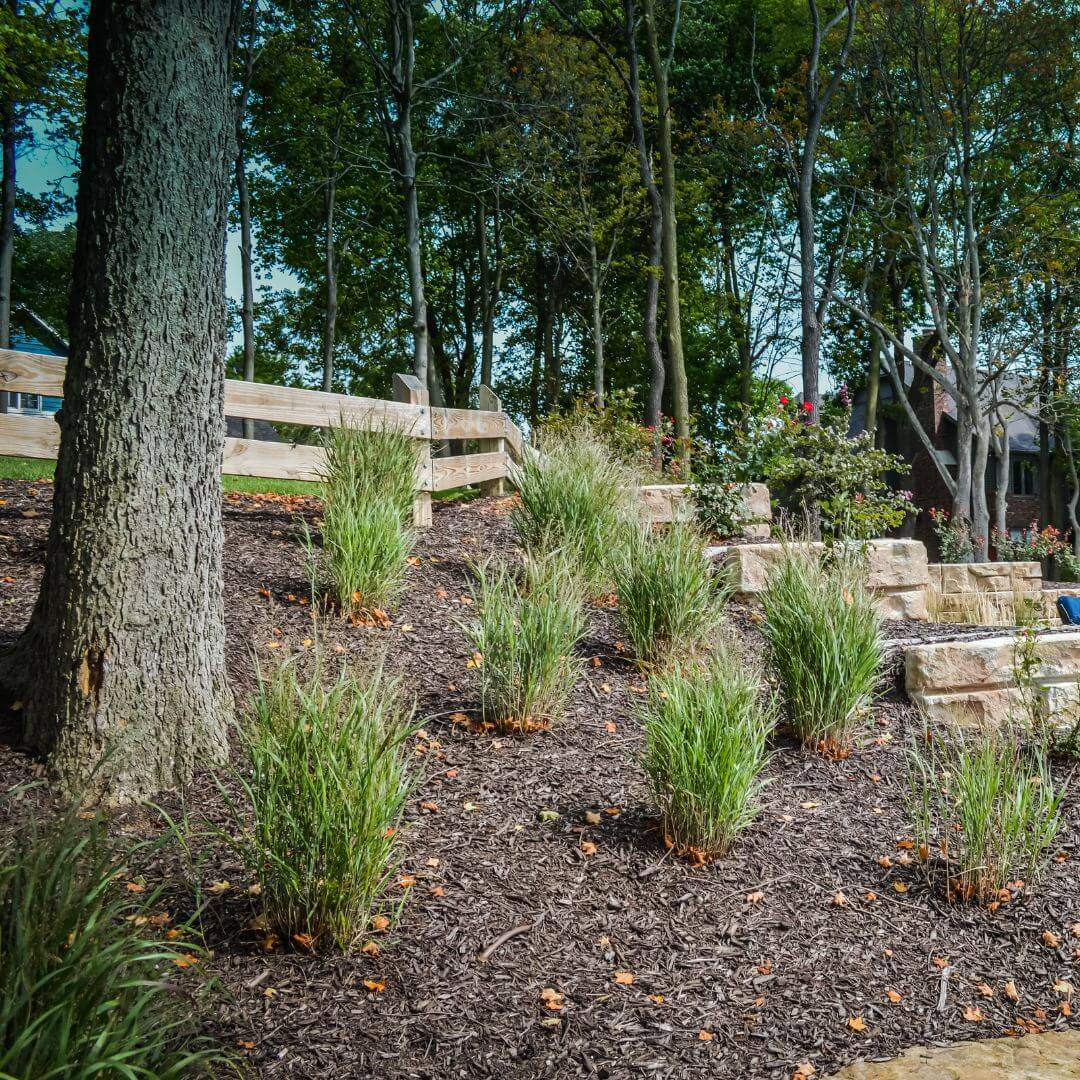
Mulch provides valuable insulation by moderating soil temperatures. It acts as a buffer, keeping the soil warmer during cold spells and cooler during warmer periods. This insulation helps protect plant roots from frost damage and other temperature-related stresses.
Weed Suppression
Mulching is an effective method for controlling weeds. By covering the soil, mulch blocks sunlight from reaching weed seeds, preventing them from germinating. This reduces competition for nutrients and water between your plants and unwanted weeds. Applying mulch in fall helps manage weed growth throughout the winter, leading to a healthier garden in spring.
Soil Erosion Prevention
Fall mulching helps prevent soil erosion caused by wind and heavy rain. Mulch acts as a protective barrier, reducing the impact of rainfall on the soil and minimizing erosion and nutrient loss. This is particularly beneficial in maintaining soil structure and health.
Soil Enrichment
Organic mulches, such as wood chips or straw, decompose over time and enrich the soil with essential nutrients. This decomposition process adds organic matter to the soil, improving its structure and fertility. As mulch breaks down, it enhances soil health, creating a better environment for plants when spring arrives.
Reduced Soil Compaction
Soil compaction can impede root growth and water infiltration. Mulch helps alleviate this problem by cushioning the soil and reducing the impact of foot traffic and heavy rain. By maintaining a loose soil structure, mulch supports healthier root development and overall plant growth.
How to Apply Mulch in Fall
To maximize the benefits of mulching, follow these steps for effective application:
- Choose the Right Mulch: Select mulch that suits your garden’s needs. Organic options like wood chips, straw, or leaves are ideal for adding nutrients to the soil. Inorganic mulches such as plastic or rubber can be used in areas where nutrient enrichment is less critical.
- Prepare the Soil: Before applying mulch, clear the soil of weeds and debris. This ensures that the mulch can effectively suppress new weed growth and provides a clean surface for better moisture retention.
- Apply the Mulch: Spread a 2-4 inch layer of mulch around plants, covering the root zone but avoiding direct contact with plant stems or trunks. Applying mulch too thickly can lead to moisture issues or attract pests.
- Monitor and Maintain: Check the mulch layer periodically throughout the winter. If it becomes thin or displaced, add more mulch as needed. In spring, remove any remaining mulch to prevent potential pest or disease problems.
Conclusion
Mulching in fall is a practical and effective method for protecting your soil and plants during the winter months. The benefits of mulching, including moisture retention, insulation, weed suppression, soil erosion prevention, and soil enrichment, contribute to a healthier garden and a strong start in the spring. By applying and maintaining mulch correctly, you support the overall health and vitality of your garden through the colder season.