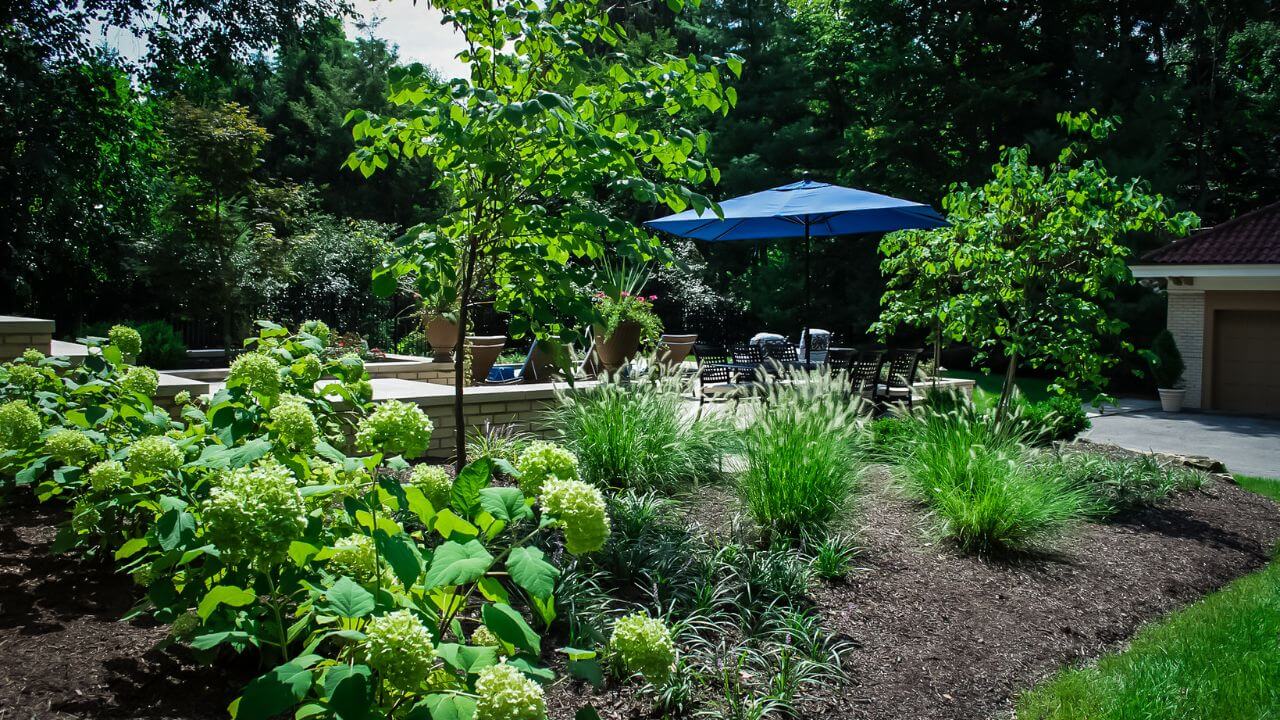

As winter approaches, preparing your garden for the colder months is essential. Winterizing helps ensure your plants survive the winter and flourish in the spring. However, even experienced gardeners can make missteps during this process. This blog will explore the top five mistakes to avoid when winterizing your garden, helping you protect your plants and maintain a thriving garden throughout the year.
1. Neglecting to Clean Up Debris
Leaving debris like fallen leaves, dead plants, and other organic material in your garden might seem harmless or even beneficial, but it can lead to problems.
Why It’s a Mistake:
- Pest Attraction: Debris can attract pests such as slugs, snails, and rodents, which can damage your plants and disrupt their growth.
- Disease Spread: Leftover plant material can harbor diseases and fungi that may spread to healthy plants, causing issues in the next growing season.
How to Avoid It:
Make a habit of clearing out any plant debris, fallen leaves, and other organic material from your garden beds. Compost the debris or dispose of it properly to prevent pests and diseases from taking hold.
2. Failing to Mulch Properly
Mulching is a critical part of winterizing your garden, but it’s easy to get it wrong. Applying mulch too early or using the wrong type can create problems.
Why It’s a Mistake:
- Premature Application: Applying mulch too early can trap heat in the soil, encouraging plants to continue growing when they should be entering dormancy. This can make them more vulnerable to winter damage.
- Incorrect Mulch Type: Using the wrong type of mulch, such as one that retains too much moisture, can lead to root rot and other issues.
How to Avoid It:
Wait until the ground has started to freeze before applying mulch. This timing helps to lock in the cold and keeps the soil consistently cool, which is better for your plants. Use mulch that drains well, such as shredded bark or straw, to prevent moisture-related problems.
3. Overlooking Plant Protection

Winter’s cold temperatures and harsh winds can be tough on plants, especially young or delicate ones. Failing to provide adequate protection can lead to plant damage or loss.
Why It’s a Mistake:
- Frost Damage: Exposed plants are susceptible to frost, which can cause leaves and stems to blacken and die.
- Wind Burn: Cold winds can dry out plants, leading to desiccation and damage.
How to Avoid It:
Use burlap, frost blankets, or even old sheets to cover sensitive plants when frost or extreme cold is expected. For more durable protection, consider creating windbreaks using stakes and fabric to shield your plants from harsh winds. Remember to uncover your plants during the day if temperatures rise, allowing them to breathe.
4. Ignoring Watering Needs
Many gardeners assume that because temperatures are dropping, they no longer need to water their plants. This misconception can lead to dehydration, especially for evergreen plants that retain their leaves throughout the winter.
Why It’s a Mistake:
- Dehydration Risk: Plants still need water during winter, especially evergreens and those with shallow root systems. A lack of water can lead to root damage and stress.
How to Avoid It:
Water your garden thoroughly before the first hard freeze to ensure that your plants are well-hydrated going into winter. During dry winter spells, especially when the ground isn’t frozen, continue to water as needed. Focus on watering in the morning to allow the water to soak in before temperatures drop at night.
5. Pruning at the Wrong Time
Pruning can be beneficial for many plants, but timing is crucial. Pruning too late in the season can stimulate new growth, which can be damaged by cold weather.
Why It’s a Mistake:
- Stimulated Growth: Pruning late in the fall can encourage plants to produce new growth that isn’t hardened off, making it vulnerable to winter’s cold.
- Weakening Plants: Improper pruning can also weaken plants, leaving them less able to survive the winter.
How to Avoid It:
Avoid heavy pruning in late fall. If necessary, limit pruning to removing dead or diseased branches. For most plants, the best time for pruning is in late winter or early spring before new growth begins. This timing allows plants to heal quickly and prepare for the growing season.
Let Us Handle Your Winterizing Needs
Winterizing your garden can be a complex and time-consuming task, but you don’t have to do it alone. Our landscaping team offers professional winterizing services to ensure your plants are well-protected throughout the colder months. We take care of everything, from cleaning up debris and proper mulching to safeguarding your plants against frost and wind damage. Trust us to help your garden emerge healthy and ready for growth when spring arrives.
By avoiding these common mistakes when winterizing your garden, you can ensure that your plants survive the winter in good health and are ready to flourish in the spring. Take the time to clean up debris, mulch properly, protect your plants, water as needed, and prune at the right time. If you need expert assistance, we’re here to help!