As the seasons shift, your outdoor space demands attention to stay healthy and beautiful. A well-maintained landscape doesn’t just enhance curb appeal, it safeguards your investment and ensures that your yard continues to thrive throughout the year. By following a structured maintenance checklist, you’ll keep every element of your property performing at its best.
1. Assess Your Landscape’s Current Condition
Before tackling specific tasks, take time to evaluate your entire landscape. Walk through your yard with a notebook in hand and observe the condition of turf, plants, hardscapes, and irrigation systems. Look for patches of thinning grass, signs of disease, pooling water, or uneven grading. This simple inspection helps identify trouble areas before they become costly problems.
Professionals recommend doing this at least twice a year, early spring and mid-fall, to stay ahead of seasonal stress and make sure your landscape remains balanced and healthy.
2. Clean and Clear the Yard
Leaves, branches, and other debris can suffocate grass and garden beds if left unattended. Clear these materials so air and sunlight can reach the soil surface. Pay attention to gutters and downspouts as well, since clogs can cause overflow and erosion that disrupt the surrounding landscape.
For hardscaped areas such as patios, walkways, and driveways, pressure washing can remove grime and organic buildup. Keeping these spaces clean enhances visual appeal and extends the lifespan of your materials.
3. Refresh Mulch and Garden Beds
Mulch acts as a natural insulator for plant roots and retains moisture in the soil. After cleaning up, add a fresh layer of mulch around trees, shrubs, and flower beds. Maintain a two- to three-inch depth, but avoid piling it against trunks or stems. Proper mulching helps regulate temperature changes and reduces weed competition, both essential to a balanced landscape.
If your beds appear compacted or faded, lightly cultivate the soil and top off with compost before applying new mulch. This refresh provides nutrients and restores structure to planting areas.
4. Prune, Trim, and Shape
Pruning encourages healthy growth and improves the overall look of your outdoor environment. Remove dead or diseased branches, shape overgrown shrubs, and trim perennials after flowering. This practice stimulates new growth and ensures that sunlight can penetrate evenly across your plants.
For larger trees or those near structures, consider hiring a professional arborist. Proper pruning techniques not only enhance the landscape’s appearance but also protect your home from potential damage caused by falling limbs.
5. Test and Treat the Soil
Healthy soil is the foundation of a thriving landscape. Seasonal temperature shifts can alter nutrient balance, affecting how plants absorb what they need. A simple soil test reveals pH levels and deficiencies in nitrogen, phosphorus, or potassium. With this information, you can adjust fertilizer types and quantities to fit your specific conditions.
Adding organic matter like compost improves soil structure, boosts microbial activity, and enhances moisture retention. Investing in good soil health translates directly to stronger roots and more resilient plants year-round.
6. Tune Up Your Irrigation System
Efficient watering is key to maintaining a sustainable landscape. Inspect your irrigation system for leaks, clogs, and misaligned sprinkler heads. Make sure all zones deliver water evenly without oversaturating one area.
If you use a smart controller, adjust its settings based on upcoming weather patterns. As cooler months approach, consider reducing watering frequency while monitoring rainfall. Proper irrigation maintenance prevents water waste and protects plant health through consistent moisture management.
7. Fertilize Strategically
Fertilization should be tailored to your region and the specific needs of your turf and plants. Early fall is an excellent time to feed cool-season grasses, while spring works best for warm-season varieties.
Choose slow-release formulas that deliver nutrients gradually. Over-fertilizing can lead to rapid top growth with weak roots, reducing resilience. A balanced fertilization plan strengthens your landscape from the ground up, helping it withstand pests, diseases, and weather extremes.
8. Control Weeds and Pests
A proactive approach to weed and pest control ensures that your landscape remains healthy without relying on harsh chemicals. Use pre-emergent treatments to stop weed seeds from germinating, and apply mulch to block sunlight from reaching unwanted sprouts.
For pests, monitor plant leaves for signs of chewing or discoloration. Introducing beneficial insects like ladybugs can naturally reduce harmful populations. Targeted organic solutions keep your outdoor environment balanced and eco-friendly.
9. Maintain Hardscape Features
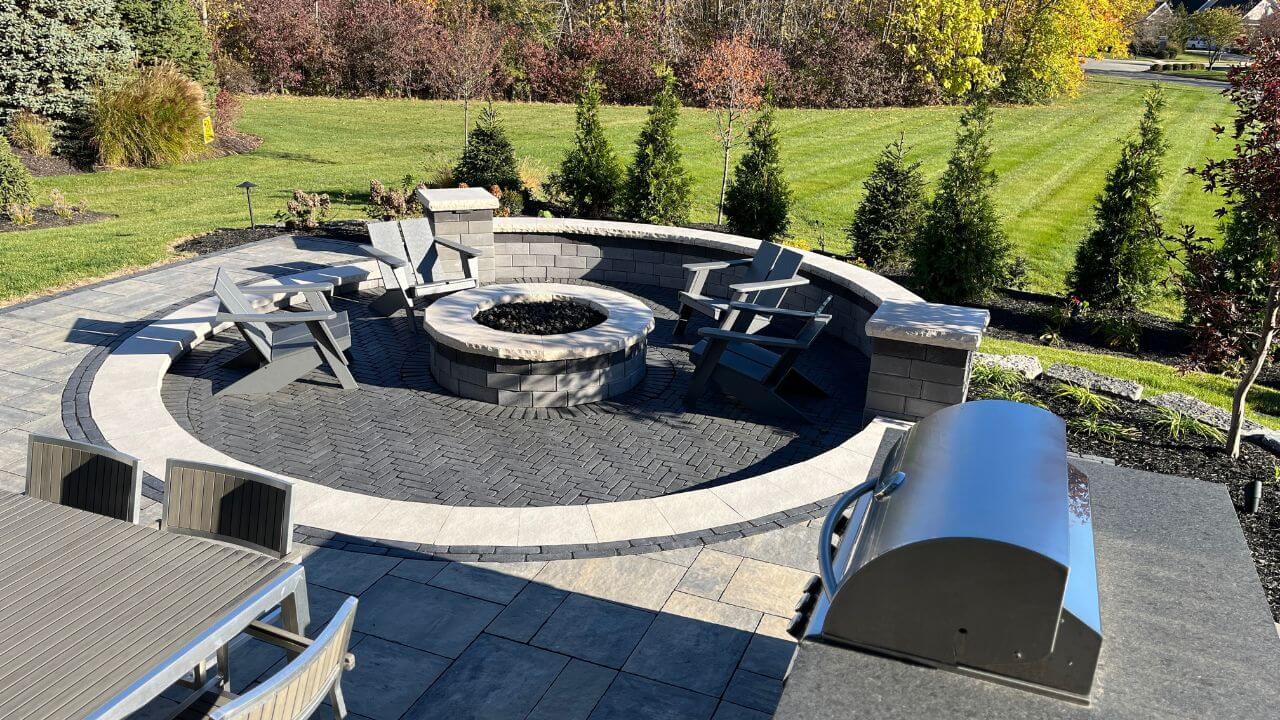
Driveways, patios, fire pits, and retaining walls all play a key role in the overall harmony of your property. Inspect pavers and stonework for cracks or shifting caused by seasonal expansion and contraction. Reseal surfaces if necessary to prevent moisture intrusion and staining.
A well-cared-for hardscape complements softscape elements and provides structure that enhances the flow of your design. Regular upkeep keeps these materials looking fresh and functional for years to come.
10. Prepare for Seasonal Transitions
Each season introduces different challenges and opportunities for your outdoor environment. In late fall, protect sensitive plants with burlap wraps or frost covers. Drain irrigation lines to avoid freezing, and clean garden tools before storing them.
Spring preparation focuses on aerating soil, re-edging garden beds, and reestablishing turf density. Staying organized and following a consistent schedule ensures your landscape moves smoothly from one season to the next without setbacks.
11. Evaluate Lighting and Outdoor Features
Outdoor lighting contributes both safety and atmosphere. Check fixtures for corrosion or broken bulbs, and adjust placement if vegetation has grown over them. Upgrading to LED or solar options can reduce energy costs while enhancing nighttime beauty.
Other amenities such as water features or outdoor kitchens should also be inspected. Clean filters, test pumps, and ensure proper drainage to prevent algae buildup or electrical issues. Every detail counts toward a well-maintained landscape that functions flawlessly after dark and during gatherings.
12. Keep a Maintenance Calendar
Consistency is the secret to a professional-looking yard. Create a monthly maintenance calendar that outlines recurring tasks such as mowing, trimming, irrigation checks, and fertilization. Tracking your schedule prevents oversight and spreads work evenly across the year.
Many homeowners find success by partnering with professional maintenance teams who bring expertise and efficiency to each visit. Whether you handle it yourself or work with a crew, planning ahead saves time and preserves the quality of your landscape investment.
Final Thoughts
Caring for your outdoor space goes beyond aesthetics, it’s about ensuring the health, longevity, and sustainability of your property. A thoughtfully maintained landscape rewards you with stronger plants, cleaner hardscapes, and year-round beauty that enhances your home’s value.
By following this professional checklist, you’ll keep your landscape thriving through every season, ready to face whatever the months ahead bring. Consistent attention, timely care, and informed adjustments will help your property flourish for years to come.