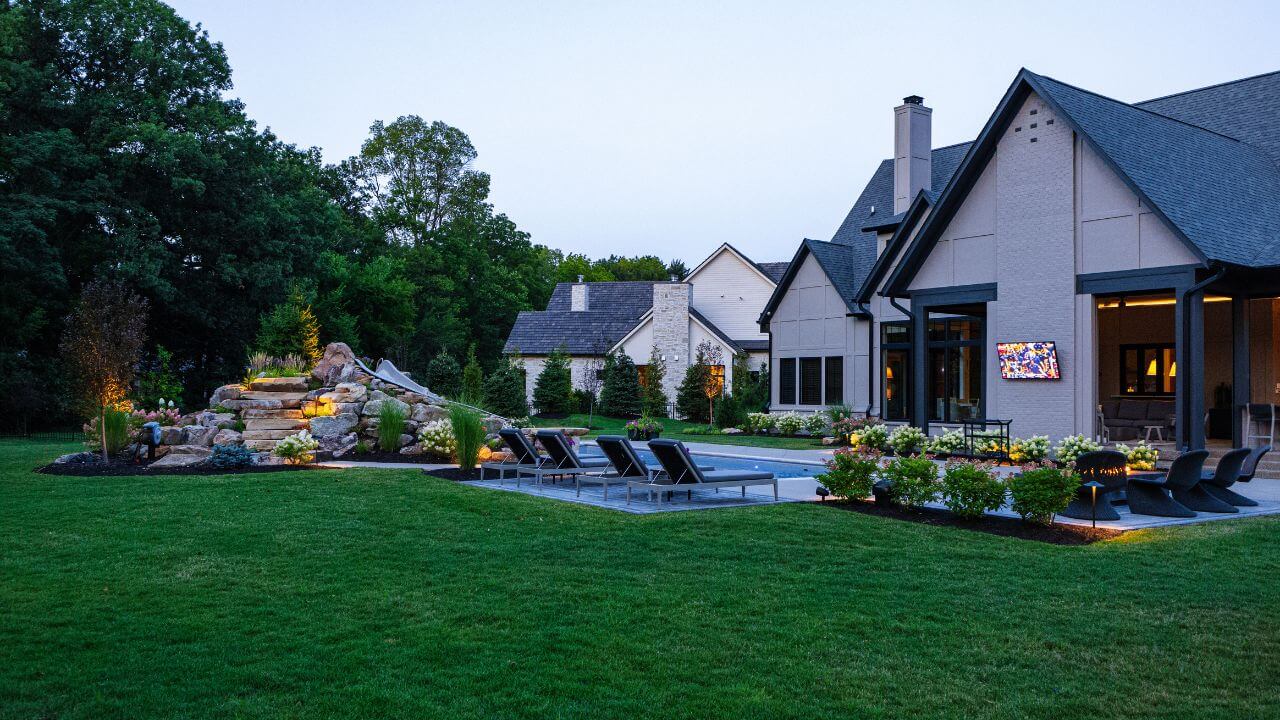
Homeowners are thinking ahead to how they can make their outdoor spaces more functional, beautiful, and environmentally friendly in 2025. This year’s landscaping trends focus on blending modern design with practical elements that fit the climate and lifestyle needs of homeowners across the Midwest and beyond. If you’re looking for ways to update your yard and make it stand out, these trends are worth considering.
Sustainable Landscaping Practices Are Here to Stay
Sustainability continues to influence how homeowners approach their yards, and 2025 is no different. More people are moving toward low-water plants, eco-friendly irrigation options, and layouts that support natural ecosystems. This approach doesn’t just save water; it helps yards adapt to changing weather patterns while reducing the need for chemical fertilizers or excessive maintenance. Using native plants that thrive naturally in Indiana adds both beauty and resilience.
Native Plant Designs That Work With Nature
Homeowners are moving away from traditional lawns and leaning into native plant gardens. Native species need less water, tend to be more pest-resistant, and attract pollinators like butterflies and bees. In Indiana, plants such as purple coneflowers, prairie grasses, and black-eyed Susans provide color while handling hot summers and cold winters. Whether used to create natural borders, enhance flower beds, or fill large open spaces, native plants will continue to be a focal point in modern landscaping.
Outdoor Spaces Designed for Everyday Living
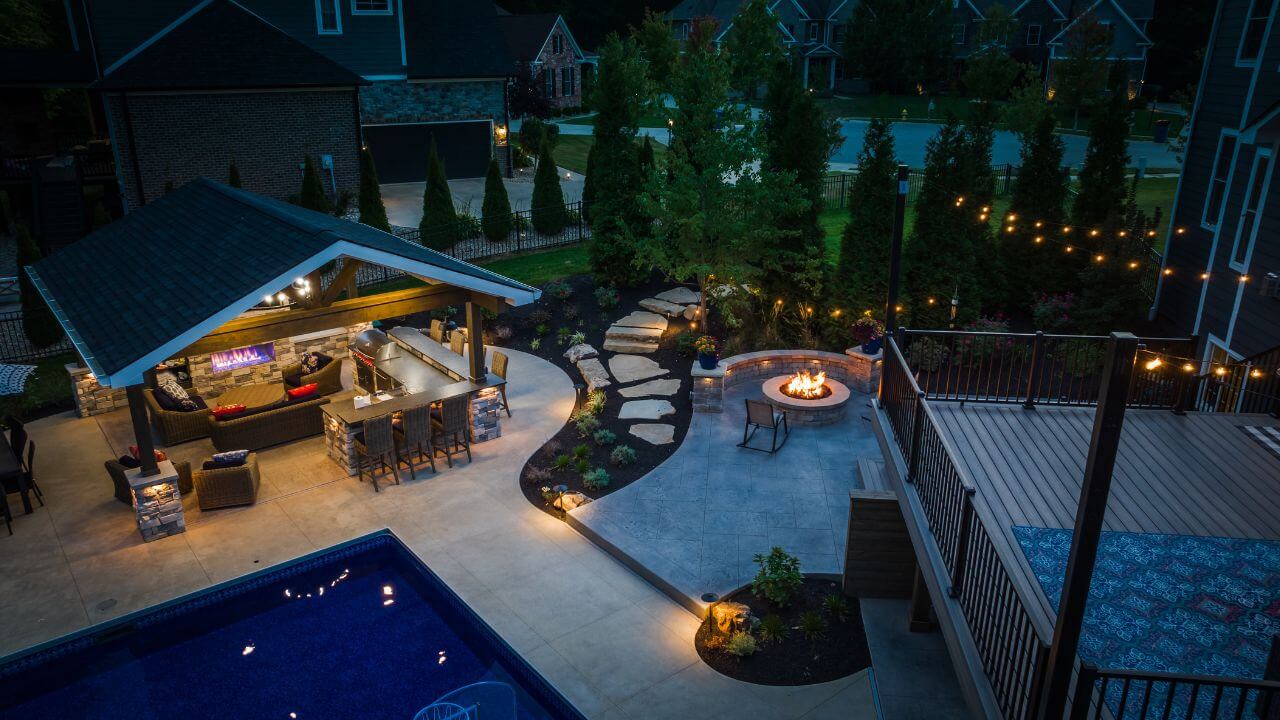
Yards aren’t just for curb appeal anymore; they’re becoming fully functional living areas. Outdoor kitchens, dining areas, and lounge spaces are being designed with the same care as indoor rooms. Covered patios with retractable roofs or pergolas allow for year-round use, and built-in seating or fire features make these spaces even more inviting. Landscaping designs in 2025 will focus on creating outdoor areas that feel like natural extensions of the home.
Smarter Irrigation Systems Help Conserve Water
As homeowners look for ways to save time and resources, smart irrigation systems are becoming increasingly common. These systems rely on weather data and soil sensors to deliver just the right amount of water. This not only keeps plants healthier but also reduces water waste. Combining efficient irrigation with mulch and native plants creates a water-conscious landscaping plan that works in any climate.
Backyard Putting Greens Are Gaining Popularity
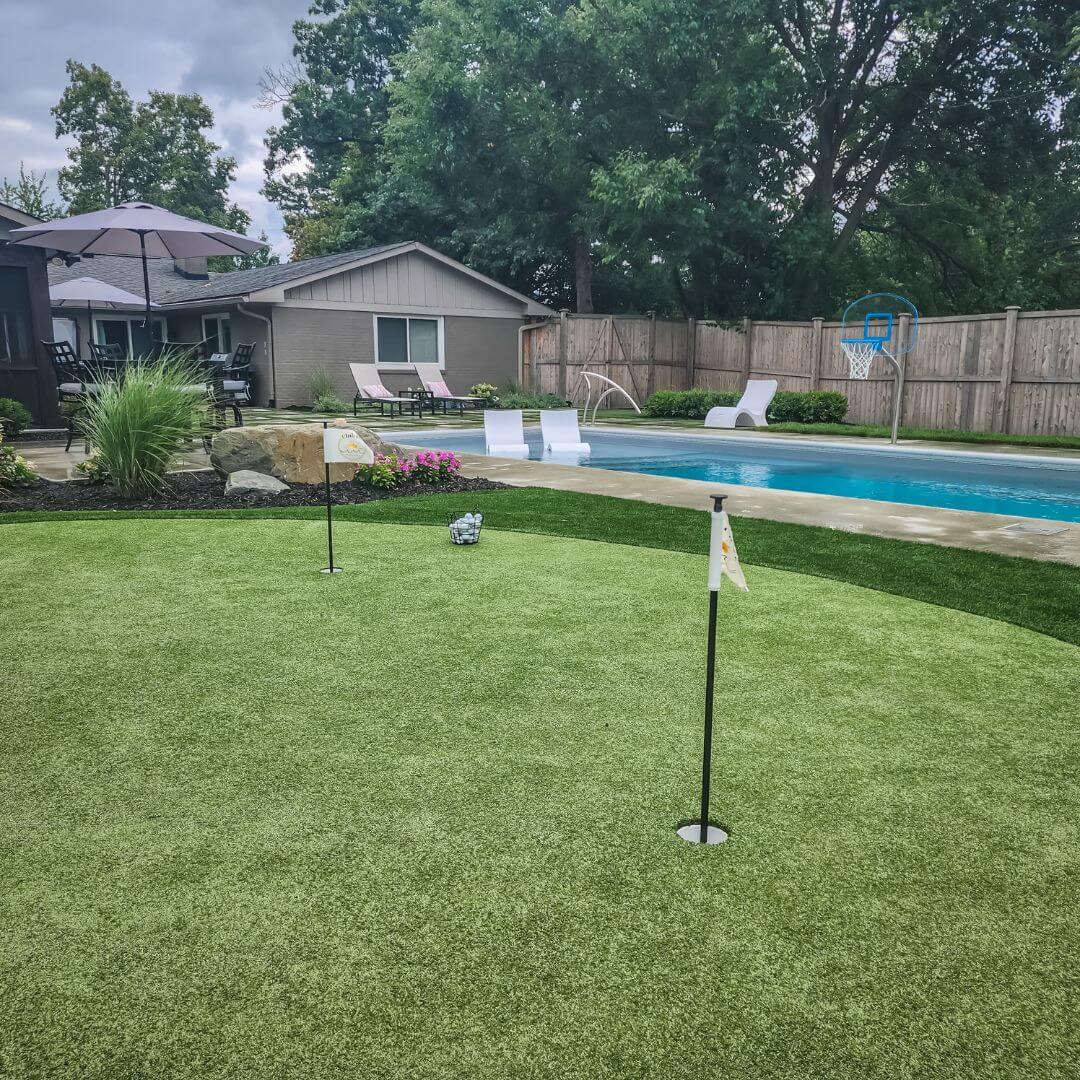
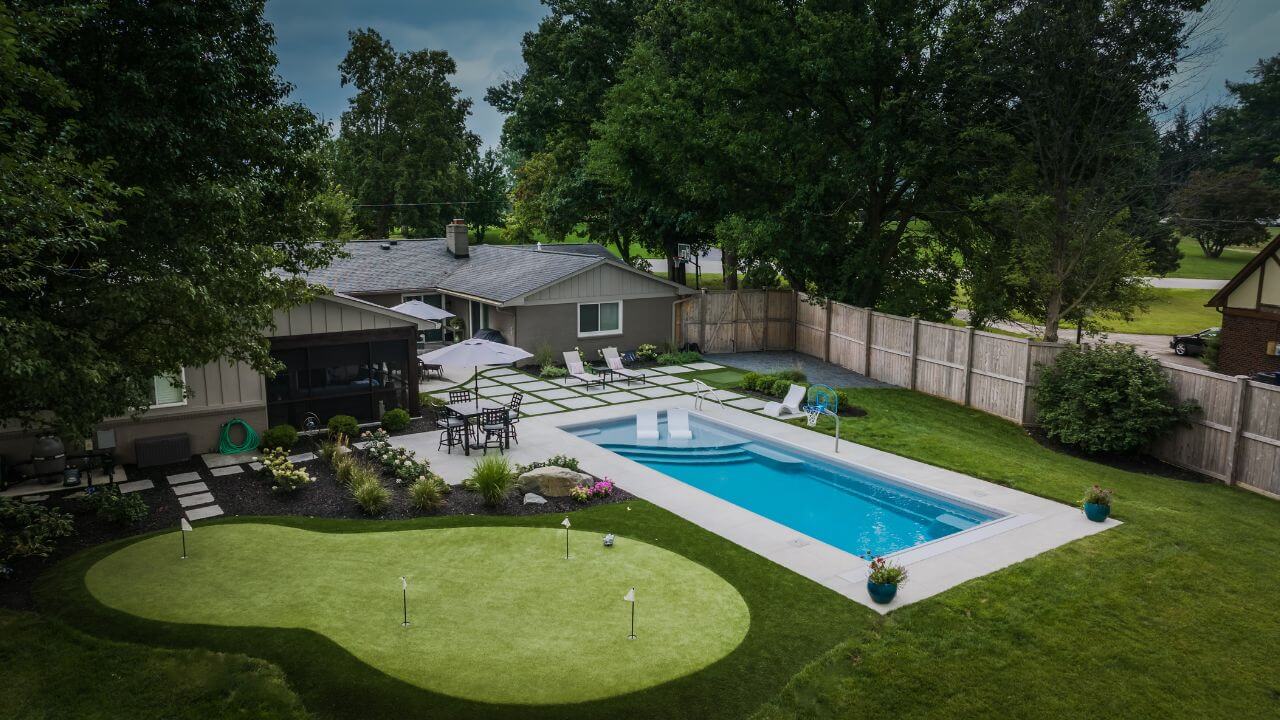
Homeowners are finding new ways to make their yards both functional and fun, and backyard putting greens are one trend gaining serious traction in 2025. Whether you’re an avid golfer or just want a unique feature that stands out, a custom putting green blends recreation with thoughtful landscaping design.
These greens can be designed to fit yards of any size, from small side yards to expansive backyards. They also pair well with low-maintenance materials like synthetic turf, which stays green year-round without the need for mowing, watering, or fertilizing.
Easy-Care Designs Are in Demand
Not everyone wants to spend weekends pulling weeds and trimming hedges, so low-maintenance landscaping continues to gain popularity. Durable materials like composite decking, gravel paths, and stone patios reduce upkeep, while choosing the right mix of plants can limit the need for pruning and watering. Yards in 2025 are being designed to look great without constant attention, giving homeowners more time to actually enjoy their outdoor space.
Fire Features Add Both Style and Function
From sleek, built-in fire pits to full outdoor fireplaces, fire features remain a top request. They not only provide warmth on cool evenings but also act as natural gathering points for friends and family. As designs evolve, more homeowners are opting for gas-fueled features that offer convenience without the mess of wood-burning options. Paired with comfortable seating and thoughtful lighting, a fire feature can become the centerpiece of a modern outdoor space.
Gardens That Support Pollinators and Biodiversity
More homeowners are looking for ways to support local ecosystems by planting pollinator-friendly gardens. These gardens are filled with flowering plants that provide food and habitat for bees, butterflies, and birds. They also tend to be more resilient, since they rely on species already suited to the local climate. This biodiversity-focused approach doesn’t just help wildlife; it also creates visually interesting and ever-changing gardens that add character to any yard.
Permeable Pavers and Eco-Friendly Hardscaping
Sustainable hardscaping is playing a bigger role in how people design patios, driveways, and walkways. Permeable pavers allow rainwater to soak into the ground instead of running off into storm drains. Recycled materials, such as composite decking or reclaimed wood, are also gaining traction for decks and garden structures. These eco-conscious materials offer durability while reducing environmental impact; making them a smart choice for anyone updating their yard in 2025.
Vertical Gardens Maximize Small Spaces
For smaller yards or urban lots, vertical gardens are becoming a creative solution. Whether it’s a wall of herbs near an outdoor kitchen or a decorative green wall on a patio, these vertical elements add interest without taking up valuable square footage. They’re also practical; homeowners can grow vegetables, flowers, or even privacy screens using trellises, hanging planters, or wall-mounted garden systems.
Water Features with Modern Style
Water features are evolving from traditional ponds and fountains to sleek, contemporary designs. Reflecting pools, minimalist waterfalls, and sculptural fountains offer modern flair while maintaining the soothing appeal of moving water. Homeowners are also looking for ways to make these features more sustainable, using recirculating systems that reduce water waste. Whether acting as a focal point or a subtle accent, water features will continue to have a strong presence in 2025 landscaping projects.
Outdoor Spaces That Prioritize Wellness
Wellness gardens are an emerging trend for 2025, as more homeowners want outdoor areas designed specifically for relaxation. These spaces might include meditation paths, yoga decks, or simple seating nooks surrounded by calming plants. Natural materials like stone and wood, combined with soft, neutral color palettes, help create peaceful environments that encourage rest and mindfulness.
Personalization Makes Every Yard Unique
Finally, one of the biggest shifts happening in landscaping design is the desire for personalization. Homeowners want outdoor spaces that reflect their personal style; whether that’s a rustic garden, a modern minimalist patio, or a family-friendly yard with space for kids and pets. Custom-designed features like hand-built pergolas, unique lighting installations, or creative use of materials help yards stand out and feel truly one of a kind.
These landscaping trends for 2025 blend creativity, sustainability, and function, helping homeowners create outdoor spaces that feel both current and timeless. Whether the goal is to make your yard more eco-friendly, easier to maintain, or better suited to outdoor entertaining, these ideas offer plenty of inspiration for the year ahead.