
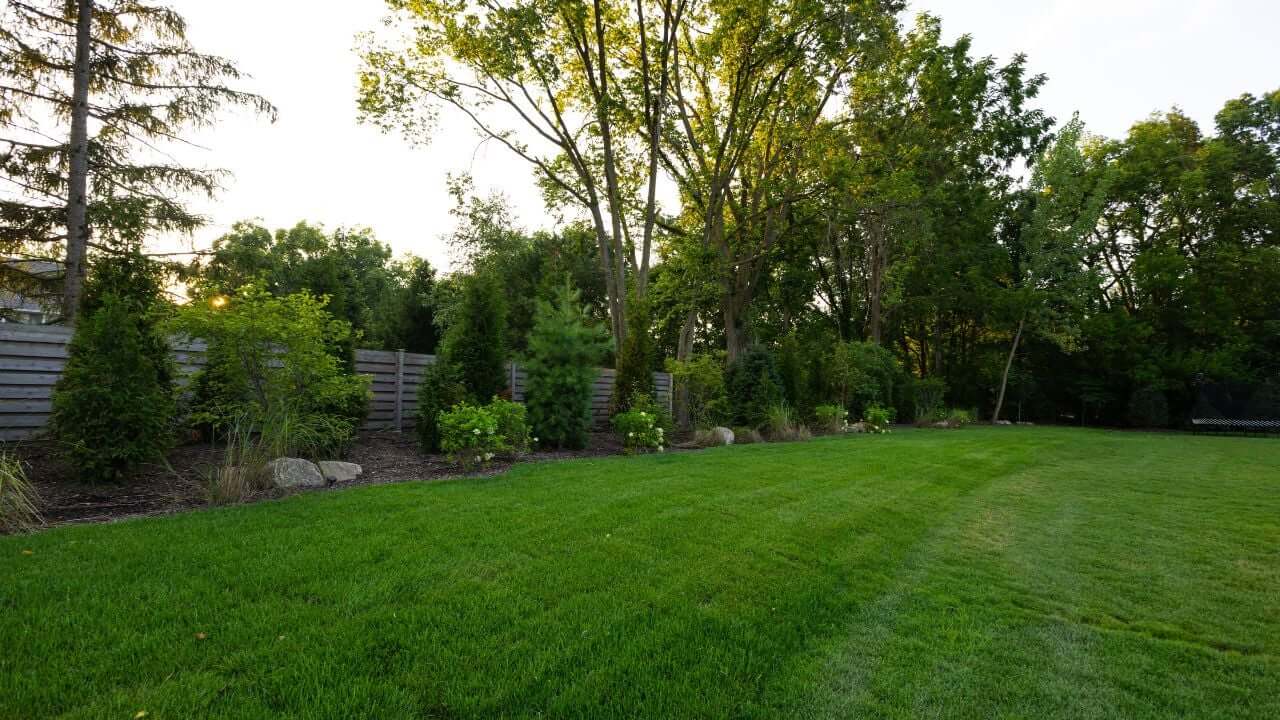
A beautiful green lawn can transform the look of any property. But if you are dealing with patchy grass, that vision can feel out of reach. Bare spots, uneven growth, and discolored patches are common challenges, yet they can be fixed with the right approach. By understanding the causes and applying proven solutions, you can restore your lawn’s health and create a thick, even carpet of grass.
Understand the Causes of Patchy Grass
Before you can fix patchy grass, you need to identify the root cause. Patches often occur due to one or more of the following:
- Poor soil quality – Compacted or nutrient-deficient soil prevents roots from growing deep and strong.
- Too much shade – Grass needs adequate sunlight, and overhanging trees or structures can limit growth.
- Improper watering – Inconsistent or shallow watering can weaken grass and encourage weeds.
- Pest damage – Grubs, chinch bugs, or other insects can destroy roots and create dead spots.
- Pet urine – High nitrogen concentration in urine can burn grass, leaving brown patches.
- Seasonal stress – Extreme heat, cold, or drought can damage grass and slow recovery.
Pinpointing the exact cause is essential so you can choose the right fix for your grass problem.
Prepare the Lawn for Repair
Once you know why your lawn has patchy grass, preparation is the next step. Start by removing any dead grass, weeds, and debris from the affected areas. Use a rake to loosen the soil and break up any compaction. If your lawn has a heavy thatch layer, dethatching can help improve air and water penetration.
For lawns with poor soil quality, adding compost or a high-quality topsoil mix will boost nutrient levels and improve root growth potential. Taking the time to prepare your lawn ensures that new grass seeds or sod have the best chance to thrive.
Choose the Right Grass Seed
Selecting the correct grass variety is critical when repairing your grass. Your choice should match your region’s climate, the amount of sunlight the area receives, and your maintenance preferences.
In Indiana, most homeowners choose cool-season grasses because they thrive in the state’s seasonal temperature shifts. Varieties such as Kentucky bluegrass, perennial ryegrass, and fescue perform well here, offering good durability and year-round color when properly maintained.
Warm-season grasses like Bermuda, Zoysia, and St. Augustine grow best in hotter climates and are not typically recommended for Indiana lawns.
For shady spots, look for blends labeled as shade-tolerant to ensure growth in low-light areas. Using a seed blend designed for your conditions increases the likelihood of healthy, uniform growth and reduces the risk of future patchy grass.
Seed or Sod for Repair
When fixing grass, you have two main options: reseeding or laying sod.
- Reseeding is cost-effective and works well for smaller patches. After loosening the soil, spread the seed evenly and lightly rake it in.
- Sod provides an instant solution and is ideal for larger bare spots. Cut the sod to fit, press it firmly into place, and water immediately.
Both methods require consistent watering to encourage root establishment.
Watering Practices for Healthy Growth
Watering is one of the most critical factors in repairing patchy grass. Right after seeding or laying sod, the soil should be kept consistently moist but not waterlogged.
- Newly seeded areas should be watered lightly two to three times per day until the grass germinates.
- Sod requires deep watering once or twice daily for the first week, then gradually reduce the frequency as roots establish.
Once your grass is established, shift to a deep and infrequent watering schedule. A good rule of thumb is to apply 1 to 1.5 inches of water per week, including rainfall. This encourages deeper root growth and improves drought resistance, helping prevent future patchy grass.
Fertilizing for a Strong Lawn
Fertilizing gives new and existing grass the nutrients it needs to grow thick and healthy. Use a starter fertilizer when planting new seed or sod to promote quick root development. Once the grass has established, switch to a balanced lawn fertilizer to encourage ongoing growth.
Applying fertilizer at the right time of year for your grass type can make a significant difference. Avoid over-fertilizing, as this can damage roots and contribute to uneven growth.
Addressing Shade and Traffic Issues
Sometimes patchy grass is caused by environmental factors rather than poor maintenance. Areas under dense tree canopies may never receive enough sunlight for healthy grass growth. In these situations, consider thinning tree branches to allow more light in.
High-traffic areas may also suffer from compacted soil and damaged grass. Installing stepping stones, creating walking paths, or using hardier grass varieties can reduce wear and tear in these spots.
Ongoing Maintenance to Prevent Patchy Grass
Once your lawn is repaired, consistent maintenance will help prevent patchy grass from returning. Follow these tips:
- Mow correctly – Keep your mower blades sharp and avoid cutting more than one-third of the grass blade at a time.
- Aerate annually – Aeration relieves soil compaction and allows water, air, and nutrients to reach the roots.
- Control weeds – Weeds compete for nutrients and can weaken grass. Use pre-emergent and post-emergent herbicides as needed.
- Monitor pests – Watch for signs of insect activity and treat early to prevent large patches from forming.
A consistent schedule keeps your lawn looking lush and even.
Repairing Pet Damage
If pet urine is causing patchy grass, you’ll need a targeted approach. Train pets to use a specific area, water down urine spots immediately, and reseed damaged areas. Some pet owners choose grass blends formulated to withstand pet activity.
Adding gypsum to affected soil can also help neutralize excess salts and improve recovery.
Seasonal Care for a Lush Lawn
Grass health changes with the seasons, and adjusting your care routine can help maintain a uniform lawn. In spring, focus on reseeding and fertilizing. During summer, keep up with deep watering and mow at a higher setting to protect roots. In fall, overseed thin areas and apply a slow-release fertilizer to strengthen grass before winter.
By tailoring your approach to each season, you can prevent patchy grass from becoming a recurring issue.
Final Thoughts
Fixing patchy grass takes patience, but the results are worth it. By identifying the cause, preparing the soil, using the right seed or sod, and maintaining proper watering and feeding schedules, you can transform bare spots into lush green growth. Consistent care and quick action when problems arise will keep your lawn healthy for years to come.