Adding an inground pool to your backyard is a big decision, and timing plays a key role in ensuring smooth installation and enjoying your pool at the right time. While pools can be installed year-round in many areas, each season has its own advantages and potential drawbacks. Understanding the benefits of each time of year can help you make the best decision for your installation timeline.
Planning an Inground Pool in Different Seasons
Spring: A Balance of Timing and Availability
Spring is a good time to start the process of installing an inground pool. The moderate temperatures create good working conditions for construction, and contractors often have more availability compared to the peak of summer. Since demand starts increasing during this season, it is best to plan early to secure a spot on the installation schedule. While occasional spring rains could cause minor delays, starting in early spring typically allows the project to be completed before summer ends, giving homeowners the opportunity to enjoy their pool before the cold weather begins.
Summer: High Demand and Longer Wait Times
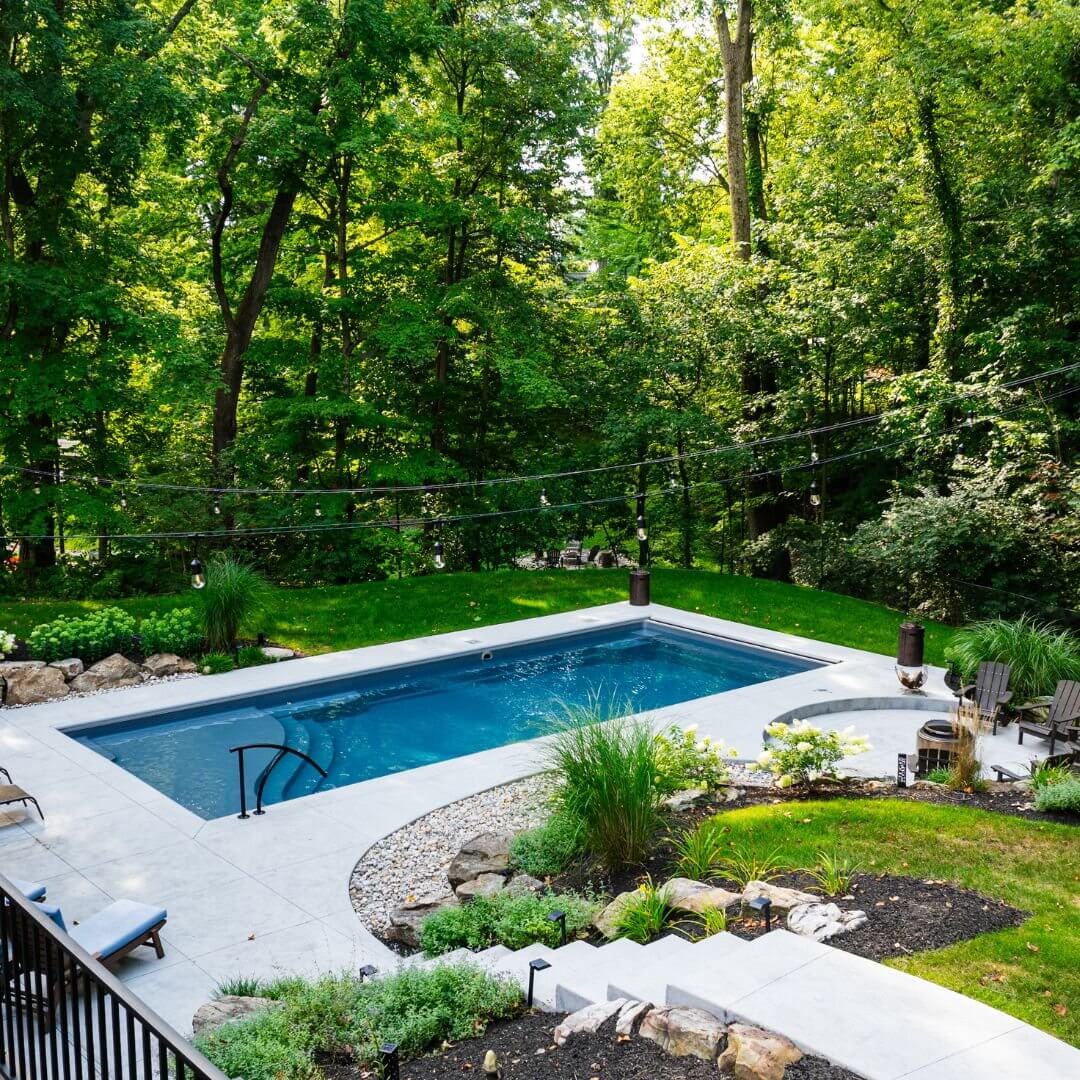
While summer is the season when most people think about pools, it is also the busiest time for installations. Contractors tend to have packed schedules, which can lead to longer wait times. The high demand may also mean that new projects have to be scheduled further out, making it unlikely that the pool will be ready before the season ends. Additionally, hot temperatures can make construction more difficult. Those who want to use their pool in summer should ideally start the planning and installation process in spring or fall to ensure it is completed in time for peak swimming season.
Fall: Planning Ahead for the Next Season
Fall offers a great opportunity for homeowners who want to plan ahead. As demand slows down, contractors have more flexibility in their schedules, making it easier to book an installation. The cooler weather creates favorable conditions for construction, and by installing in the fall, homeowners can have their pool fully ready to use when the warm weather returns. However, the downside is that the pool will not be usable right away. Additionally, unexpected cold snaps can sometimes interfere with construction, which could delay the project until conditions improve.
Winter: Ideal for Planning, Not Construction
Winter is a great time to start planning for an inground pool, even though construction is typically not feasible in colder climates. Since breaking ground is not possible due to frozen ground and snow, homeowners can use this time to finalize their pool design, secure permits, work through HOA approvals, and schedule their installation for early spring. By planning during the winter months, homeowners can get ahead of the busy season and ensure their project is ready to begin as soon as weather conditions allow.
Allow Time for Planning and Permits
No matter the season you choose to start, it’s important to plan ahead. A pool project involves design work, HOA approval, permitting, and scheduling, which are steps that can take time. To ensure your inground pool is ready when you want to use it, allow for a planning period of at least six months before your desired swim season. By giving yourself this window, you can move through the process without feeling rushed and enjoy the results just as the temperatures begin to rise.